
Something heavy is running across the ceiling at two in the morning. Something has dug under the fence again and let the dogs out. Something got into the chicken run last night and the door was torn off its hinge. On this coast the answer is usually a genet, a porcupine, a dassie or a mongoose, and the fix is the same every time: find out what it is, get it out, and close the way in so it stays out.
Exclusive Eco removes wild animals from homes, smallholdings and farms across the Garden Route and the Western Cape. Where an animal has to be caught, it is caught alive, under the permits the law requires, and released. Nothing is laid out for it to eat. We are a pest control company, and this is the part of the work where the animal is not the pest, the open building is.
What we deal with
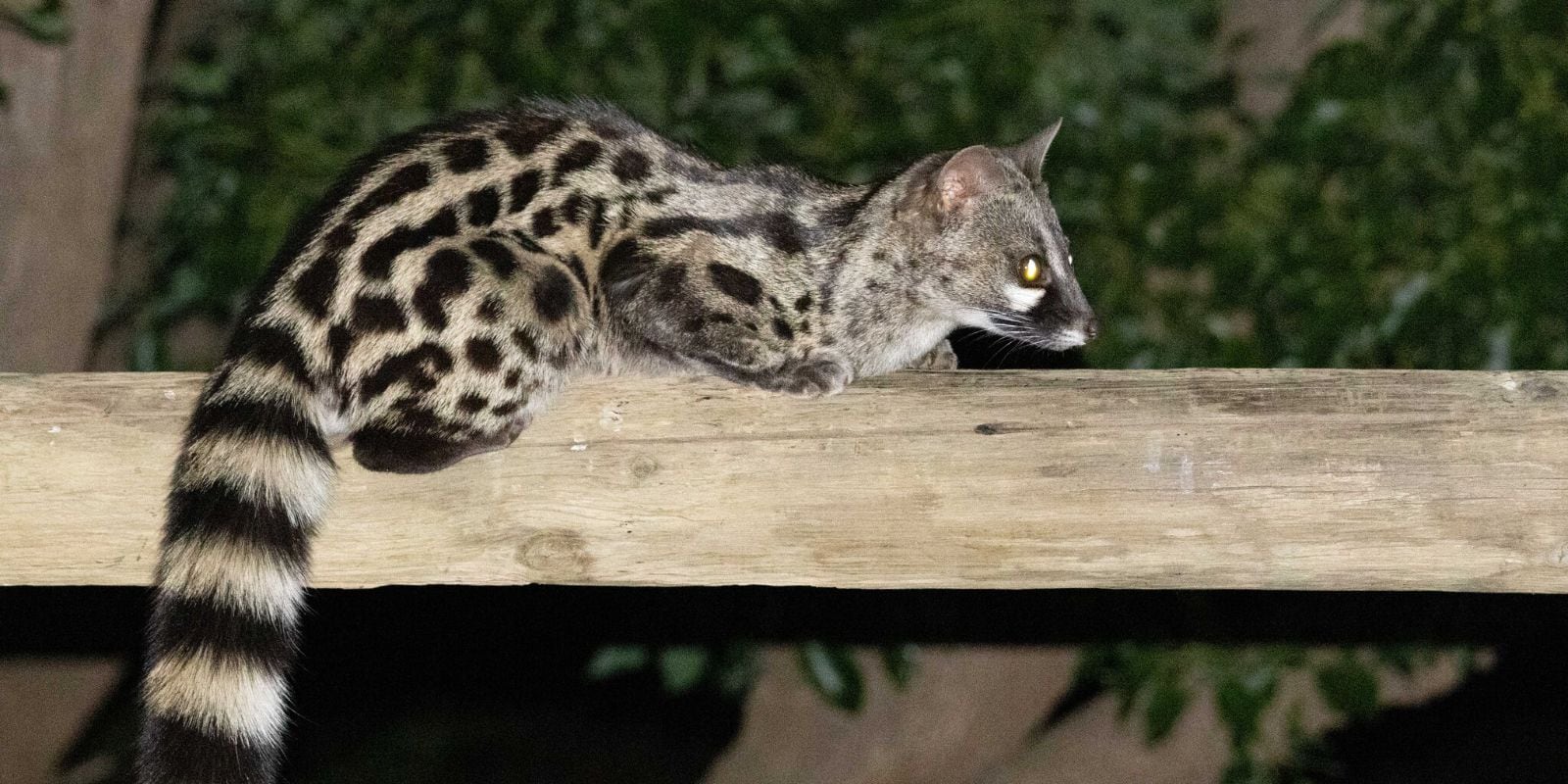
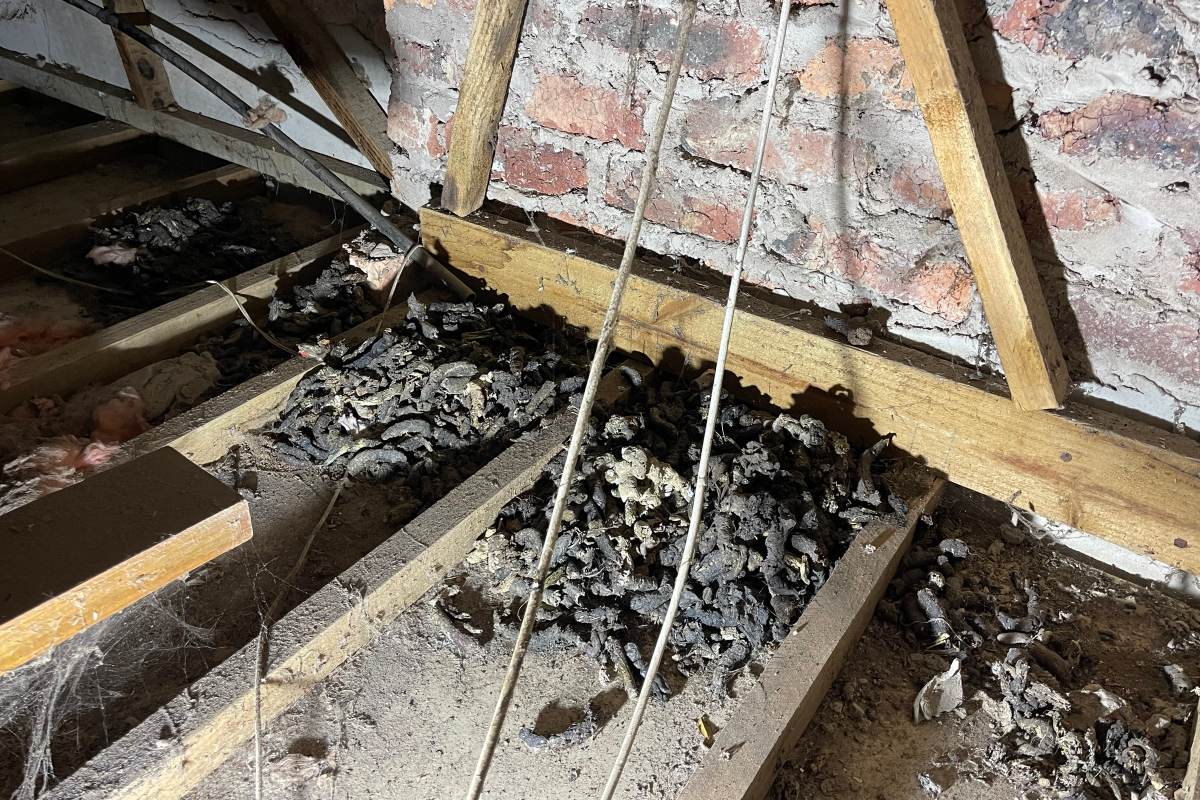
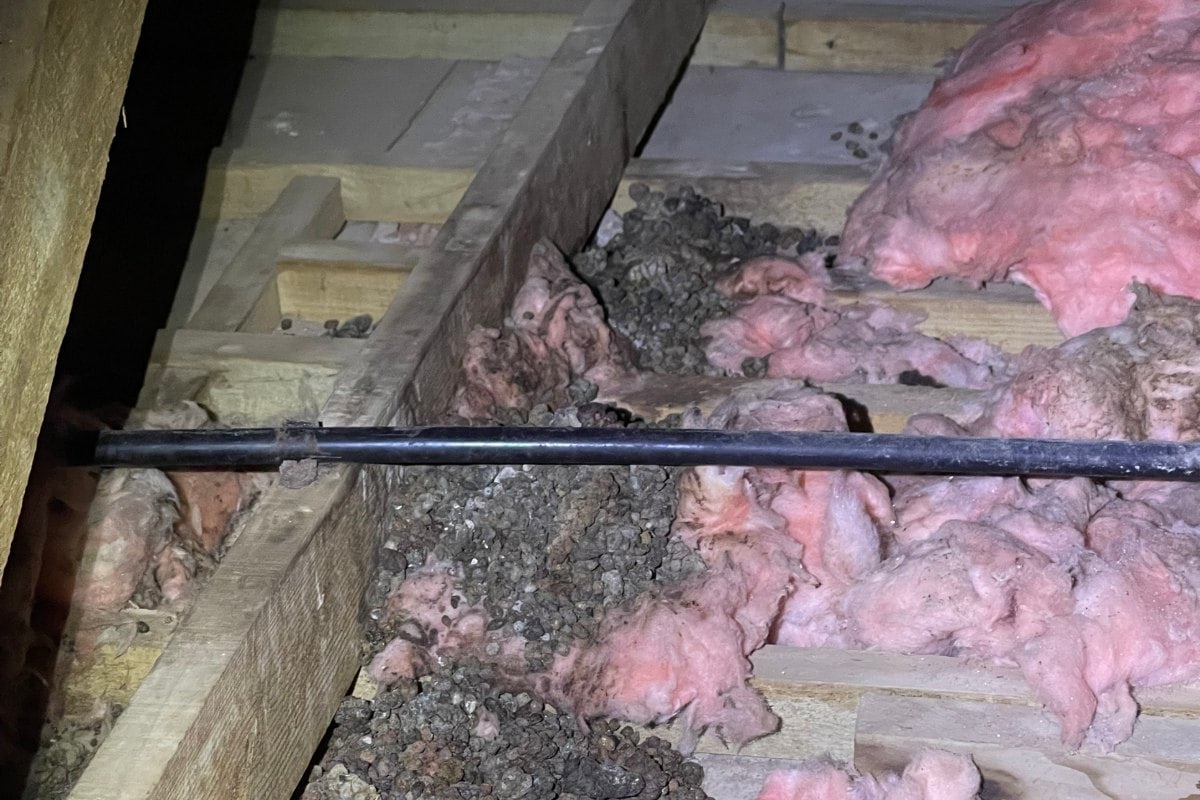
Genets in the ceiling. The large spotted genet is the animal behind most of the calls we get about loud running noise in a roof. It is the size of a slender cat, it is out at night, and it leaves its droppings in one spot above your ceiling boards until the smell or the urine stains come through. Genets also raid chicken runs and aviaries, often taking several birds in one visit. We have excluded genets from roofs across the Garden Route and closed the roofs behind them.
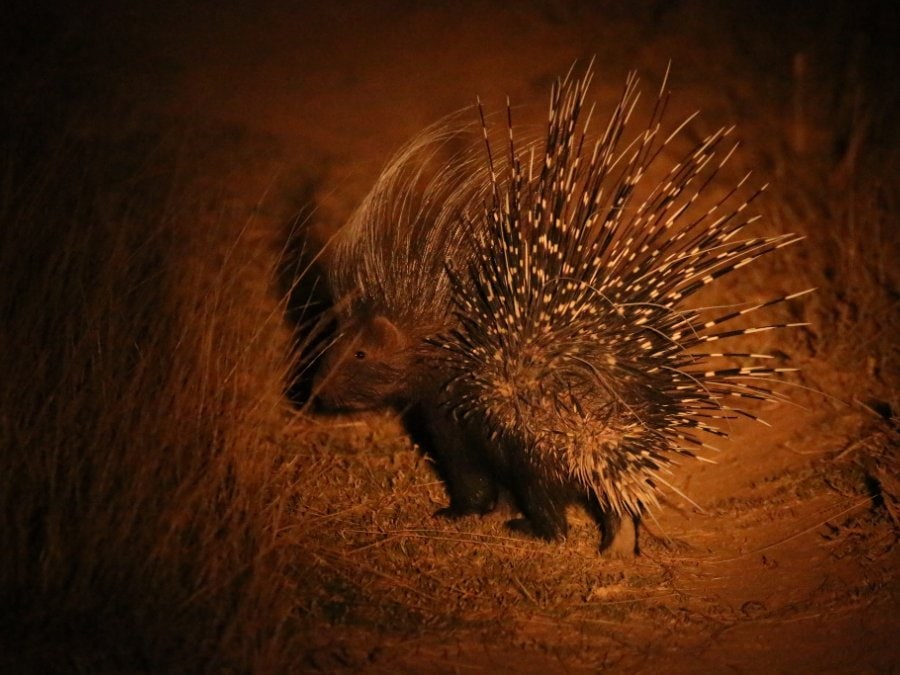
Porcupines under the fence and in the garden. Porcupines dig under fences and gates, dig up bulbs, potatoes and lawns, strip the bark off young trees and chew through irrigation pipe. The Cape porcupine is one of the largest rodents in the world and it is very good at getting through a fence line. We proof the fence and protect the trees, and where a porcupine has to be moved, we can arrange that under permit.
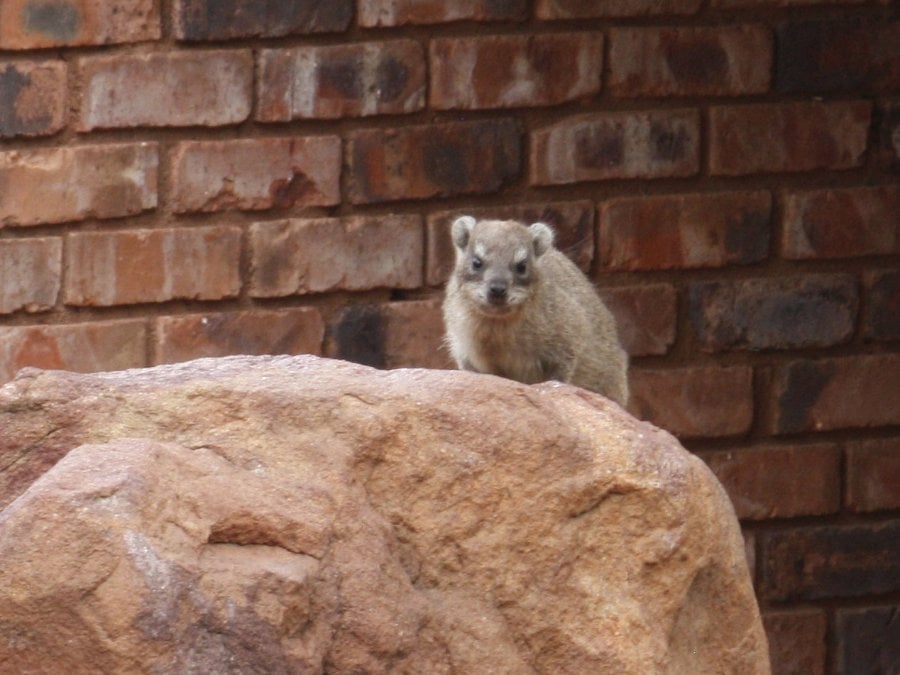
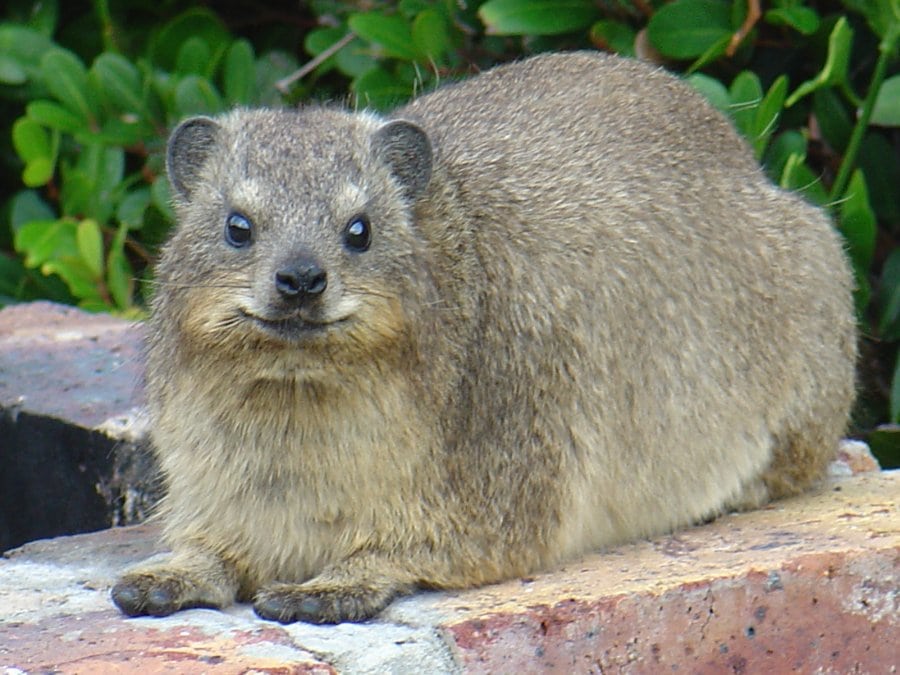
Dassies in the walls, the rockery and under the deck. On the coast, from Mossel Bay to Herolds Bay and beyond, dassie colonies move into ceilings, retaining walls, rock gardens, gabions and the space under decks, and then into the garden. The smell from a dassie latrine is unmistakable. We close the refuges and proof the garden or, in some cases, the roof.
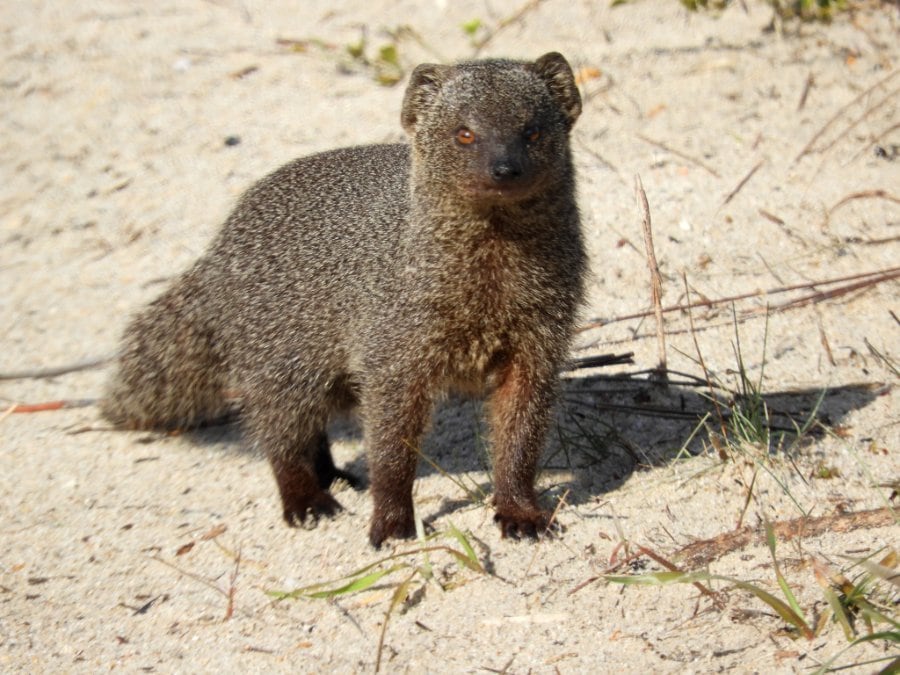
Mongooses and other small predators at the chicken run. Cape grey mongooses, water mongooses and genets take chicks and hens. On smallholdings, caracal and jackal take poultry and small stock. We build the run and the night housing so nothing gets in, which is the only method that works every night rather than most nights.
Otters at the fish pond. A Cape clawless otter will empty a koi pond in a night or two and leave half eaten fish on the edge. We protect the pond. Otters are territorial, so removing one simply hands the pond to the next.
Bushpigs on the lawn and in the crops. Along the forest edges around George, Wilderness, Knysna and Tsitsikamma, bushpigs root up pastures and vegetable gardens. We have a bushpig exclusion plan for farmers on request.
Honey badgers at the hives and the coop. A honey badger will roll a hive over, tear the lid off a super and rip a chicken house open. It is a protected animal in the Western Cape, and trapping one achieves nothing anyway, because the next badger simply takes over the ground. We protect the apiary and the housing instead, which is what works.
Everything else. Polecats under the outbuilding, hares in the vegetables, an animal nobody can identify. Send us a photo of the damage or the droppings and we will tell you what you are dealing with.
What we do not do
Baboons and monkeys. We do not assist with primates. Any physical interference with baboons in the Western Cape has to be authorised by CapeNature, and the towns with troops, Knysna, Plettenberg Bay, Nature’s Valley and the Cape Peninsula among them, run their own baboon programmes. Start with your municipality or call CapeNature.
Protected species. Some indigenous species are protected outright in this province. They can still be trapped, but only under a specific CapeNature permit, and we do not touch one without it. Where CapeNature will issue that permit we apply for it and work under its conditions; where it will not, we proof against the animal and tell you who to phone.
Farm predator control. We do not hunt or trap jackal and caracal on stock farms. We proof the poultry run and the small camp so that the predator finds nothing to take. We offer a guideline document on achieving this.
Snakes. Snake removal is coming soon, once our CapeNature permit is in place. We also provide snake proof fencing.
What to tell us when you call
You do not need to know what the animal is. Tell us three things and we will usually know before we arrive.
- What you hear and when. Scratching at dusk, heavy thuds after midnight, digging at night, a commotion in the chicken run.
- What you have found. Droppings in one place, holes under the fence, bark stripped off a tree, a pond with no fish in it, a torn run.
- A photograph. The droppings, the hole, the damage, and the building from outside. That is usually enough.
Exclusion first, trapping second
Most people or companies that trap wildlife do exactly that: they set a cage, take the animal away and leave. The roof is still open, the fence is still soft, and the next genet or porcupine moves in within weeks. Sometimes it is the same one, walking back kilometres.
Our position is that the animal is the symptom and the open building is the problem. So on nearly every job the real work is closing the way in: the gaps at the eaves and the fascia, the branch that reaches the roof, the soft ground under the fence, the run that was never built for a predator. Where an animal is inside a roof, we fit exclusion devices so that it leaves under its own power and cannot get back in. Nothing is handled and nothing is harmed.
Live trapping is for the jobs where exclusion alone will not do: a genet that is already killing poultry, a porcupine inside a walled garden, an animal that has to come out of a space it cannot leave on its own. Then we trap it alive, under the permits the law requires, check the trap as the law requires, and release the animal at a suitable site with the landowner’s permission. We do not use anything which can harm the animal.
When we will tell you to wait
There is one time we will ask you to wait, and it is the reason the work holds.
Not while there are young in the roof or the den. Closing a building with a litter still inside separates the mother from young that cannot yet follow her, and leaves them to die in a space you cannot reach. We check first, we tell you what we found, and if we have to come back in a few weeks we say so.
That is not caution for its own sake. A roof closed on a litter goes from a noise problem to a smell problem and a legal problem.
How we do it
Inspect and identify. We look at the building or the fence line, read the signs, and tell you what the animal is and how it is getting in.
Close the way in. We seal the gaps, proof the fence line, rebuild the run or protect the pond and the hives. The work is done for function rather than for looks.
Fit exclusion devices where an animal is inside. It leaves and cannot get back in.
Trap where trapping is needed. Alive, under permit, checked, released.
Inspect again and confirm. We do not call a job finished until we are satisfied the animal is out and the way in is closed.
The law, in plain terms
In the Western Cape, wild animals fall under the Nature Conservation Ordinance and CapeNature is the permitting authority. As CapeNature applies it, catching a wild animal in any kind of trap, catching it at night, and moving it off your property each need a permit, and the protected species need a further permit before they may be touched at all. Rodents are the exception, which is why a rat job is simpler than a genet job.
That is why we will not set a cage in your roof on a phone call. We apply for the permits the job needs, and we tell you what CapeNature will and will not allow before we quote.
It is also why doing it yourself is a bad idea. Some organisations routinely collect porcupines that homeowners have deliberately harmed, and a homeowner who traps a genet in a cage or other trap from the co-op or Agri SSK and drives it to the nearest reserve has, in the eyes of the Ordinance, hunted, held and transported a wild animal without a permit. Phone us instead.
Why removals fail, and what we do differently
We often hear from people whose animal is still there after another company has “removed” it.
A building that has been properly closed should not be reinfested. If the animal is back, the job was defective: a gap was missed, the inspection was never done, or nobody closed anything and simply drove the animal away. Relocation on its own is the weakest tool in the box. A territorial animal dropped into ground that already belongs to another one usually does not survive, and the vacant roof or pond it left behind is taken within weeks.
Years of experience is not the same as the right experience. Make sure you choose the right team to help you. Our team includes conservationists, and wildlife is the work here rather than a line on a service list. We partner with wildlife centres across the country to keep our standard of service and our knowledge up to date.
Our guarantee
What we promise: the entry points we close stay closed, and if an animal gets back in through work we did, we come back and put it right. The guarantee period is set out in your quote.
What we do not promise: that no wild animal will ever visit your garden again. We can close a building and proof a fence line; we cannot proof the coast.
The guarantee covers the exclusion and proofing work itself. It falls away if renovations, alterations or a new gate later disturb the sealing.
What it costs
We quote on the building or the fence line rather than on the animal, because the work is in closing the way in, and a hairline gap at the eaves takes the same work to close as a wide one. The number depends on the size of the building or the length of fence, what it is built of, and how we can reach the work. Trapping, where it is needed, is quoted on top and includes the permit work.
For clients outside the Garden Route we can put together a provisional figure from satellite imagery and street level photographs before travelling.
Where we work
Wildlife removal and exclusion across George, Wilderness, Hoekwil, Herolds Bay, Glentana, Sedgefield, Knysna, Plettenberg Bay, Tsitsikamma, Mossel Bay, Hartenbos, Klein Brak River, Groot Brak River, Gouritsmond, Stilbaai, Albertinia, Riversdale, Oudtshoorn, De Rust, Calitzdorp, Ladismith, Van Wyksdorp, Uniondale and Prince Albert, and we quote throughout the Western Cape.
Get a free quote
Tell us what you are hearing, what you have found, and send a photo of the damage and the building from outside. That is usually enough for us to tell you what you are dealing with.
